AAVS News
April 30, 2026
Act today to save animals and modernize drug safety
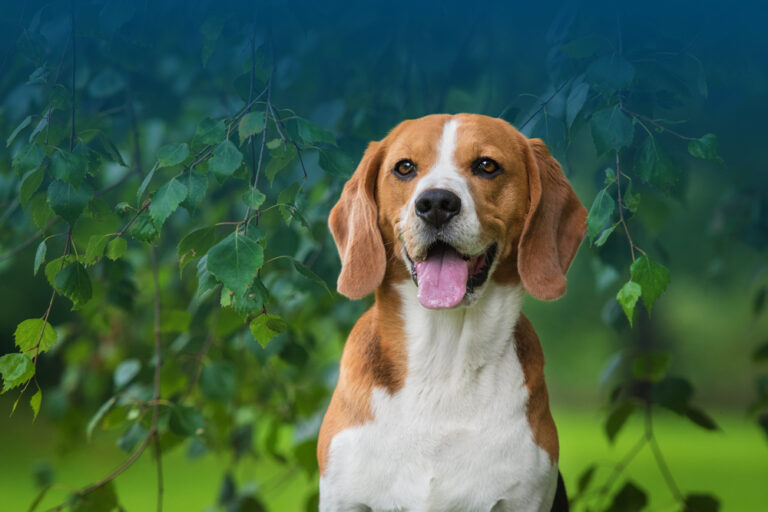
Save Animals, Modernize Drug Safety
Countless numbers of animals, including mice, rabbits, dogs, and primates, continue to suffer and die in drug development. Yet research shows that 90 percent of new drugs tested on animals have failed in human clinical trials.
So why does animal testing continue?
Money could be a motivator. Last year, Inotiv, an animal supplier and contract research organization, said the 2022 FDA Modernization Act 2.0—a law requiring the Food and Drug Administration (FDA) to allow the use of non-animal methods in drug testing—could harm the company’s animal experimentation–centered business model. Since then, the FDA has announced plans to reduce animal testing and issued draft guidance encouraging some non-animal methods, but it has still not made the binding regulatory changes needed to end the agency’s entrenched reliance on animal-derived results.
The FDA Modernization Act 3.0 could change that by requiring the FDA to update its drug development and testing regulations. Modern, non-animal methods can better predict human outcomes, reduce costs, and speed lifesaving treatments to patients, while also dramatically reducing animal suffering.
The FDA Modernization Act 3.0 has already passed the Senate by unanimous consent. Now it’s time to tell your representative in the House to support this important bill!
Other News
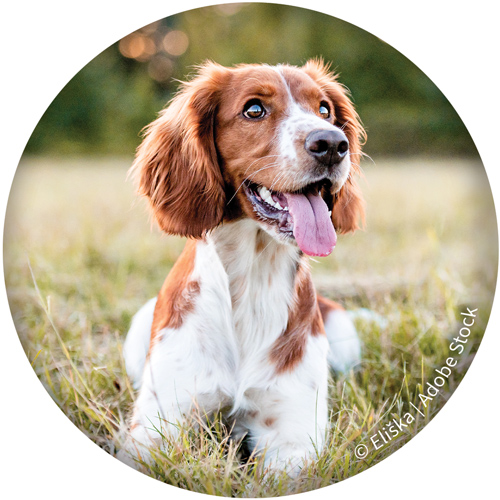
UK Regulatory Agency Supports Non-Animal Methods
The Medicines and Healthcare products Regulatory Agency, which is the UK agency that regulates medicines, medical devices, and blood products, supports reducing animal testing by promoting non-animal methods and offering early review of data. The initiative aims to build industry confidence, accelerate drug development, and align with the UK government’s strategy to reduce the current reliance on animal testing.
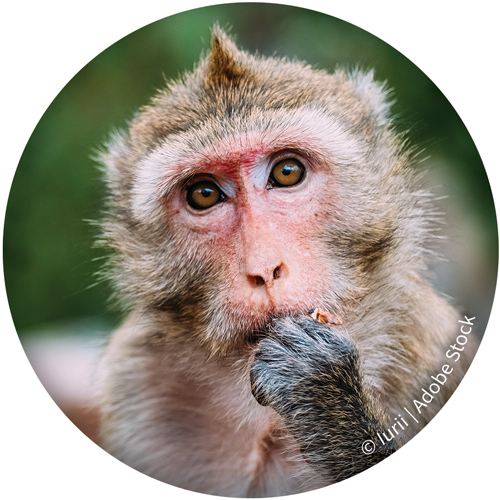
Primates Expendable Commodities at Florida Facility
BC US, a Florida facility that imports, breeds, and quarantines primates for research, was issued multiple critical USDA citations for discarding a live macaque in medical waste and leaving two other macaques to die in a 104-degree room. BC US’s president was also criminally charged for mishandling wildlife. The horrific incidents at this facility underscore how animals used in research are treated as expendable commodities instead of living beings.
Companies Recommit to Being Cruelty-Free
AAVS is proud to be the administrator of the Leaping Bunny Program’s cruelty-free certification. What sets Leaping Bunny apart from other cruelty-free lists is its annual recommitment process, which ensures companies uphold their promise not to test finished products, ingredients, or formulations on animals. Companies that fail this process lose their certifications. Find out if your favorite brands made the recommitment to remaining cruelty-free.
Sanctuary Moment
Born Free USA
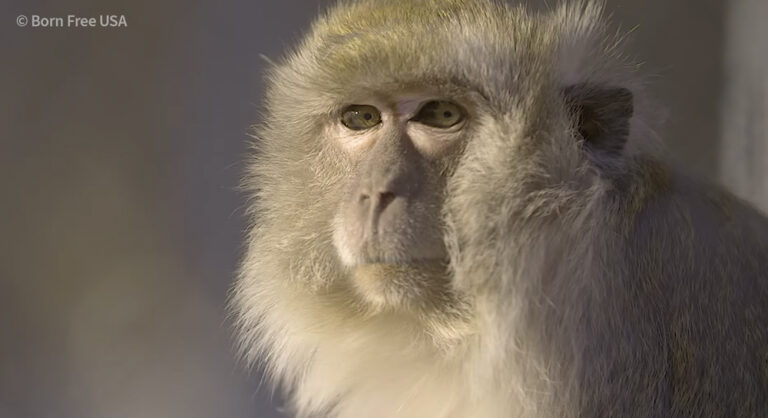
Check out this moving look inside Born Free USA, one of the largest primate sanctuaries in the United States. This film does a wonderful job highlighting the tremendous physical and emotional dedication of the sanctuary’s many caregivers providing 24/7 care. This includes preparing hundreds of specialized diets and finding creative ways to hide medications in food for monkeys who have learned to be suspicious of humans. It also describes the challenges of treating animals who have suffered trauma, including while being used in research. It’s a touching film you don’t want to miss!
Born Free USA is a longtime AAVS Sanctuary Fund grant recipient that spans 175 acres in south Texas. It is home to over 200 monkeys, including macaques, baboons, and vervets, who have been rescued from laboratories, the pet trade, and abusive roadside zoos.