AAVS News
June 30, 2026
Breaking News! Taking a stand for birds and primates
Breaking News – AAVS, Humane World, and Avian Welfare Coalition Sue the USDA
On June 25, we filed suit against the USDA, along with Humane World for Animals and the Avian Welfare Coalition (AWC), for unlawfully exempting an untold number of birds from coverage under the Animal Welfare Act. The bird regulations exist because of the successful lawsuit previously filed by AAVS and AWC, who now join with Humane World as co-plaintiffs in this latest lawsuit.
CDC Requires Sanctuary for 130 Monkey Survivors
Tell Congress Primates Are Not Pets
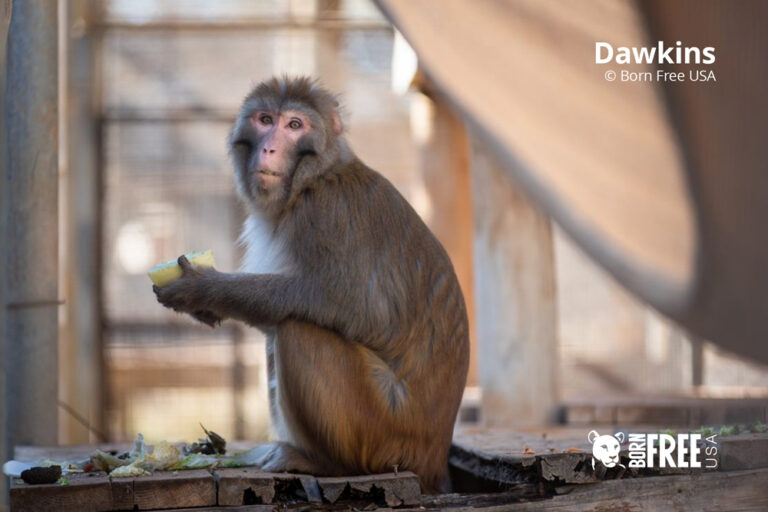
In a bid process announced on June 20, the Centers for Disease Control and Prevention (CDC) maintained its requirement that 130 monkey survivors from the agency’s now-shuttered primate lab must go to a “humane long-term sanctuary.” On June 17, before the bid process was announced, AAVS submitted an eight-page letter to the CDC that highlighted the hypocrisy of the criticism by many in the research industry of the agency’s initial decision to send the monkeys to Born Free USA, a Texas-based primate sanctuary that AAVS has repeatedly funded. AAVS focused on the fact that Born Free is accredited by the Global Federation of Animal Sanctuaries (GFAS), an internationally recognized body that only accredits organizations that meet rigorous standards of animal care, ethics, safety, governance, and operational excellence. We also pointed out the fundamental differences between standards for sanctuaries—which prioritize the welfare of their animal residents above all else—and those of research labs, where experimentation is the focus.
Additionally, AAVS told the CDC that the loudest voice criticizing the agency’s decision regarding Born Free—the University of Washington Primate Research Center—has a singularly problematic animal welfare record, which has included four animal welfare fines since 1995; multiple primate deaths documented as recently as January 2026; and a USDA “critical” citation regarding its Institutional Animal Care and Use Committee that, according to AAVS’s review of USDA records, no other research facility in the last 12 years has earned, out of over 15,000 research inspections.
Moreover, UW’s Director of Operations has long been an opponent of sending animals from research to sanctuary, and is a former chair—and current board member—of the strident pro-animal experimentation advocacy group Americans for Medical Progress, which joined the National Primate Research Centers arguing against sending the monkeys to Born Free. We applauded the CDC’s decision to send the monkeys to an accredited sanctuary, and ended by quoting the Department of Health and Human Services: “Compassion is making a comeback.”
After the CDC announced the bid process, AAVS issued a press release reiterating our support for the agency’s requirement that it would consider only GFAS-accredited facilities that would provide “humane long-term sanctuary.” We also criticized Alpha Genesis, the for-profit primate supplier that paid a USDA fine in 2017, and in November 2024 had 22 monkeys die from apparent carbon monoxide poisoning that Science magazine called likely the “largest mass casualty event involving research primates” since 2013. Alpha Genesis told Science on June 22 that it had wanted the CDC monkeys, but only if they were placed back into use for experimentation. In a revealing quote, the company called the CDC monkeys an “invaluable domestic resource” that would be “forever lost” to experimenters if they went to sanctuary.
It’s clear that many of the research industry critics—like Alpha Genesis—would just as soon have these monkeys placed back into experimentation. As we told Science on June 22, we continue to believe that the CDC’s initial decision to send the monkeys to Born Free is justified. We also emphasized in our June 23 press release that we support sending the monkeys to any GFAS-accredited sanctuary.
Other News
Inotiv Files for Bankruptcy
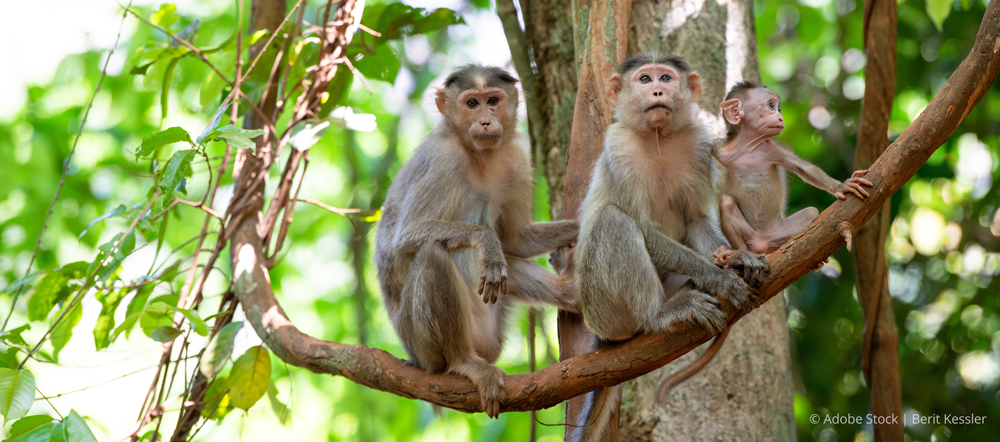
Inotiv, a leading importer of monkeys for experimentation, and the owner of notorious animal supplier Envigo, has filed for bankruptcy protection. Among other things, the company blamed ongoing litigation related to the appalling case of its former beagle breeding site in Virginia. In 2024, the company pleaded guilty to the crimes of conspiring to knowingly violate the Animal Welfare Act and Clean Water Act at the Virginia site, which housed over 4,000 beagles. As a result of that guilty plea, and a prior civil settlement in 2022, the company was forced to shutter the Virginia site, adopt out over 4,000 dogs, pay a record $35 million fine, and promise never to breed or sell dogs again.
As AAVS Senior Policy Advisor Eric Kleiman told Science, “Perhaps now its doors will finally shutter, just like the beagle breeding site it was forced to close. Bankruptcy couldn’t happen to a more deserving company.”
Shocking and Repeated Failures to Report Animals in Distress
The USDA has issued three critical citations in three years to the University of California, Riverside (UCR), for the deaths of wild birds and voles, with the latest death documented in a March 2026 USDA inspection report. AAVS provided information regarding this to the Orange County Register, which published a story on May 24 that repeatedly quoted AAVS. That article was subsequently picked up by other California newspapers such as the San Jose Mercury News, Press-Enterprise, and San Bernardino Sun. Yahoo News and MSN published separate articles, based on the Register’s reporting, and also quoted AAVS.
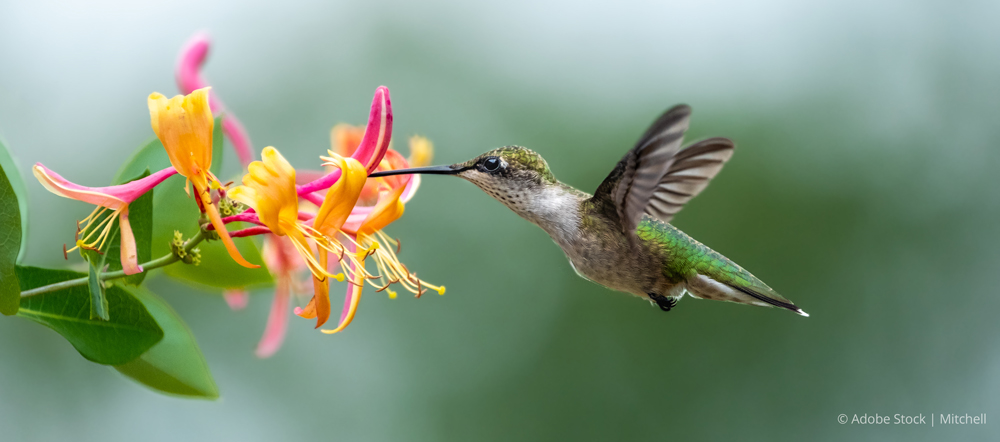
In our initial “For the Birds” article in the winter 2025 issue of A-V, we featured multiple deaths, including those of a hummingbird and voles at UCR. That was before the March 2026 USDA inspection report documented yet another hummingbird death there.
The USDA has repeatedly cited UCR for failing to report animals in distress to the university’s attending veterinarian—the person responsible for providing adequate veterinary care—until after the animals had died. In complaints filed with the National Science Foundation, NIH’s Office of Laboratory Animal Welfare, and the USDA, AAVS cited our analysis showing that, since January 2023, UCR is one of just ten research facilities in the whole country with three separate inspections having critical citations that each involved animal deaths.
AAVS also told these federal agencies that during that same timeframe, UCR is the only research facility—out of over 1,000—to have multiple USDA inspections that featured failures to report animals who needed medical attention to the attending veterinarian before their deaths. One such death, that of the hummingbird Ash documented in an August 2025 inspection report, led to a USDA warning letter issued on January 14, 2026. The very next day, on January 15, another hummingbird died after her distress was not reported to the attending veterinarian, as documented in the March 2026 USDA inspection report. Incredibly, one UCR researcher claimed she was “unaware” of a requirement to report dead animals; in fact, voles under her charge had been dying for months.
This shocked AAVS Senior Policy Advisor Eric Kleiman, who said, “I don’t remember seeing anything like that in more than 30 years of animal advocacy.”
Sanctuary Moment
Project Chimps
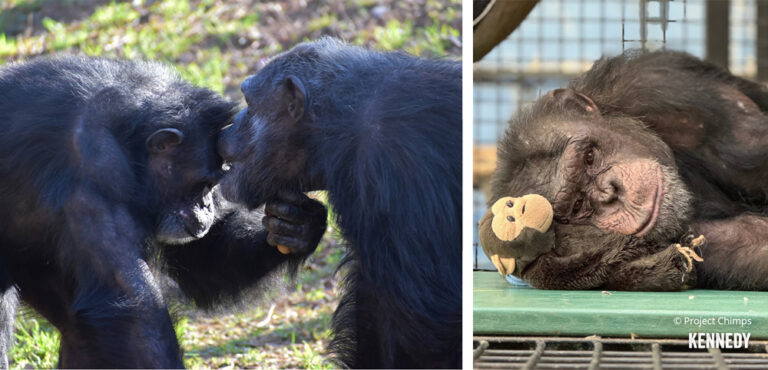
Born at the University of Louisiana’s New Iberia Research Center, Kennedy was 10 years old when he arrived at the Project Chimps sanctuary in 2018. His caregivers quickly learned that while Kennedy has a big personality, he also struggles with anxiety. Even after several years at Project Chimps, Kennedy would only watch from the doorway while his friends explored their outdoor habitat. But his caregivers knew there was a brave chimp beneath the tough-guy act, especially once they saw his sweet side while cuddling his favorite stuffy toys.
Everything changed when Kennedy moved to a new group led by a calm alpha male named Kareem. Surrounded by confident role models, including his father, Ronald (although it’s likely neither chimp knows they’re related), Kennedy slowly began to build his courage. Ronald often encouraged him to go outside, and little by little, Kennedy started venturing farther into his new habitat.
Then came the big moment. On January 23, Kennedy stepped fully into the habitat and explored the hillside. Caregivers dropped what they were doing, rushed outside, and cheered as he climbed, wandered, and experienced the outdoors in a way he never had before. Kennedy discovered a whole new world that resembles a natural chimpanzee habitat, and we couldn’t be happier for him.
Longtime AAVS sanctuary grant recipient Project Chimps has a great presence on social media. Check them out to meet the other chimpanzees at the sanctuary!